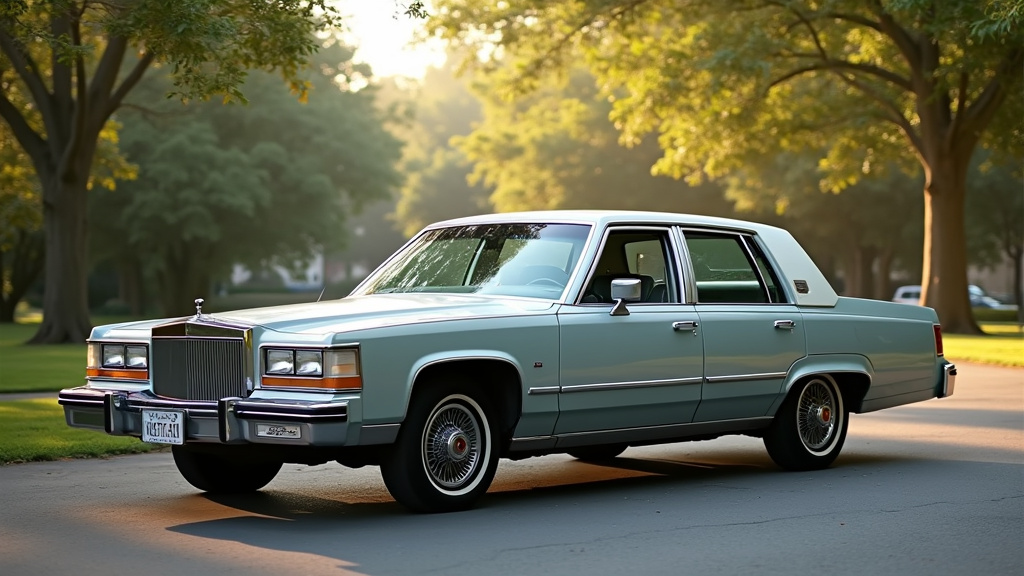
At a glanceSouth Carolina title loans allow you to borrow money using your vehicle as collateral. If you own a car, truck, or motorcycle with clear title, you can apply for a loan by visiting a local lender. The process is quick and easy, and you could receive funds within 24 hours if approved. Remember, this type of loan uses your vehicle's value as security.
Key Takeaways
- South Carolina title loans offer a unique financing option for individuals with limited credit options.
- The process involves pledging an asset as collateral, providing access to funds despite poor credit history.
- Interest rates and terms vary among lenders, requiring thorough research to find the best deal.
- Repayment plans should be carefully considered to avoid default and potential asset repossession.
- Understanding the risks and benefits is crucial before agreeing to a South Carolina title loan.
- Local regulations and consumer protection laws play a significant role in shaping the terms of these loans.
- Alternative financing options should be explored if possible, considering the potential long-term financial impact.
In the dynamic financial landscape of South Carolina, individuals often seek creative solutions to bridge short-term gaps and secure their economic future. Among the various options available, South Carolina title loans have emerged as a significant alternative lending method, catering to those in need of rapid access to capital. However, navigating this type of secured loan can be complex, with varying interest rates, repayment terms, and legal considerations. This article delves into the intricacies of South Carolina title loans, providing an authoritative guide for borrowers to make informed decisions, understand their rights, and explore potential benefits and drawbacks in a transparent manner.
Understanding South Carolina Title Loans: A Comprehensive Guide
South Carolina title loans offer a financial solution for individuals in need of quick cash, but it's crucial to understand the laws and protections in place to safeguard borrowers. The state has established guidelines to ensure transparency and fairness in the lending process, including specific rules on interest rates, repossession, and documentation requirements. Knowing these aspects is essential when considering a South Carolina title loan, as it allows borrowers to make informed decisions.
For more on this, the team at Loans Inc can help.
In South Carolina, borrowers can leverage the value of their vehicles to secure a loan. The amount you can borrow depends on the equity in your vehicle, with lenders typically offering loans ranging from 25% to 50% of your car's value. For instance, if your car is valued at $10,000, you might be able to borrow between $2,500 and $5,000. It's important to remember that the interest rates on South Carolina title loans are capped at 30% annually, providing some financial protection for borrowers. Lenders must disclose all fees and charges, ensuring borrowers understand the full cost of the loan.
The repossession process is a key consideration. If a borrower defaults on payments, the lender has the legal right to repossess the vehicle. However, South Carolina law provides certain borrower protections, including a cooling-off period during which borrowers can repay the loan without repossession. Additionally, lenders must provide written notice of repossession and follow specific procedures, ensuring a fair and transparent process. When applying for a title loan, borrowers will need to provide essential documents, such as a valid driver's license, vehicle registration, and proof of insurance. Some lenders may also require proof of income, although this is not always mandatory.
For those without a stable income, South Carolina title loans can still be an option. Lenders may consider alternative forms of verification, such as disability benefits or social security payments. However, it's crucial to explore all financial alternatives before committing to a title loan. Refinancing existing loans or seeking out non-lending solutions can be more beneficial in some cases. By understanding the costs, risks, and available protections, borrowers can make a well-informed decision and choose a reputable lender, such as loansinc.com, to ensure a positive and safe borrowing experience in South Carolina.
Eligibility Criteria for Secure Loan Options in South Carolina
In South Carolina, title loans offer a unique financial solution for individuals in need of quick cash. However, navigating this option requires understanding the eligibility criteria, laws, and associated risks. To determine if a South Carolina title loan is the right choice for you, let's delve into the key considerations.
Eligibility Criteria
Eligibility for a South Carolina title loan is typically based on several factors. Lenders will assess your vehicle's value, your ability to repay, and your identity. You must be at least 18 years old, have a valid driver's license, and own a vehicle with a clear title. Income is not a primary determinant, meaning individuals without a job can still apply. However, lenders will expect a consistent source of income to ensure repayment. While specific amount borrowed varies by lender, you can generally borrow up to 50% of your vehicle's value. For example, if your car is valued at $5,000, you could potentially secure a loan up to $2,500.
South Carolina Title Loan Laws and Borrower Protections
South Carolina has regulations in place to protect borrowers. The State's title loan laws limit interest rates to 30% annual percentage rate (APR) and restrict loan terms to 30 days. Lenders must provide a clear breakdown of fees and payment terms, and borrowers have the right to cancel the loan within 14 days. Repossession rules are stringent; lenders must provide written notice and a court order before repossessing a vehicle. It's crucial to understand these protections to make an informed decision.
Documents Required and the Application Process
South Carolina title lenders will require several documents, including your driver's license, vehicle title, proof of insurance, and a proof of income (though this is not strictly required for individuals without a job). The application process is straightforward, typically involving a short form that collects personal and vehicle information. Once approved, you'll sign the title over to the lender as collateral, and they'll disburse the funds.
Alternative Solutions and Next Steps
Before securing a South Carolina title loan, consider alternatives like personal loans, credit cards, or seeking financial aid from community organizations. If you've already taken out a title loan, understanding how to pay it off early, refinance, or navigate default scenarios is crucial. For instance, paying off the loan early can help you save on interest, and understanding default procedures can protect your vehicle from repossession. For further assistance, visit loansinc.com, where expert guidance is available to help you make informed decisions regarding South Carolina title loans.
| Factor | What to know |
|---|---|
| Loan Amount | 25% to 50% of vehicle's value |
| Interest Rate Cap | 30% annual percentage rate (APR) |
| Loan Term | Restricted to 30 days |
| Cancellation Right | Borrowers can cancel within 14 days |
| Required Documents | Driver's license, vehicle title, proof of insurance |
| Repossession Rules | Requires written notice and court order |
Maximizing Benefits: How to Use South Carolina Title Loans Wisely
Maximizing the benefits of South Carolina title loans requires a thorough understanding of both the opportunities and potential pitfalls. In this state, title loan laws and borrower protections are in place to safeguard individuals from predatory lending practices. However, navigating these financial instruments strategically can provide much-needed capital for unexpected expenses or urgent needs. The first step is to grasp how much you can borrow against your vehicle. In South Carolina, the amount typically ranges from 25% to 50% of your car's value, depending on the lender and your credit history.
Interest rate limits play a crucial role in determining the overall cost. South Carolina title loan laws cap interest rates at 30% annual percentage rate (APR), ensuring borrowers don't fall into a debt spiral. Repossition rules are also favorable for lenders; if you default, the lender can repossess your vehicle after providing written notice and a reasonable timeframe to repay. To access a South Carolina title loan, you'll need specific documents, such as your vehicle's registration, proof of insurance, and a valid driver's license. While having a job is not always mandatory, lenders will verify your ability to repay the loan through alternative means of income documentation.
Consider alternatives like personal loans or credit cards before resorting to a title loan. Refinancing an existing title loan can also be an option if interest rates have dropped since your initial loan. However, it's essential to weigh the potential benefits against the risks. Defaulting on a South Carolina title loan can result in significant financial consequences, including additional fees and the possibility of losing your vehicle. Before making a decision, thoroughly research lenders, compare rates, and ask questions like "What happens if I pay off the loan early?" or "Can I avoid repossition under certain circumstances?" Loansinc.com offers transparent terms and conditions, ensuring borrowers understand their rights and obligations throughout the process.
South Carolina Title Loans: A Comparative Analysis of Top Lenders
Comparing key features, use cases, strengths, limitations, and cost-performance of leading title loan providers in South Carolina to help borrowers make informed decisions.
| Feature | LoanStar Title Loans | American Title Funding | TitleMax |
|---|---|---|---|
| Key Features | Online application, same-day funding, flexible repayment plans | Wide network of locations, same-day cash, no credit check loans | 24/7 online access, loan refinancing options, low interest rates |
| Best Use Cases | Short-term financial needs, emergency expenses, bridging paychecks | Purchase of a vehicle, home improvements, debt consolidation | Large purchases, unexpected bills, medical emergencies |
| Strengths | User-friendly platform, transparent fees, quick turnaround time | Strong physical presence, reliable customer service, flexible loan amounts | Competitive rates, extended repayment periods, online tracking |
| Limitations | Smaller loan limits compared to competitors, potential for high-interest rates | Limited online options, location-based accessibility | Not available in all South Carolina counties |
| Cost/Performance | Moderate interest rates, reasonable fees, overall good value | Average interest rates, competitive fee structure | Low interest rates, flexible terms, potentially higher fees for smaller loans |
Frequently Asked Questions About South Carolina title loans
What is a South Carolina title loan? A South Carolina title loan is a short-term, high-interest lending option where borrowers use their vehicle's title as collateral. It allows individuals to access quick cash by pledging their vehicle's equity. This type of loan is popular among those with limited credit options or urgent financial needs, but it comes with significantly higher interest rates and potential risks.
Who qualifies for a South Carolina title loan? To qualify, applicants typically need a valid driver's license, a clear vehicle title in their name, and a stable source of income. Lenders assess the value of the collateral (the vehicle) to determine loan eligibility and amount. While bad credit may not be an absolute barrier, it can impact interest rates and terms.
How much money can I borrow with a South Carolina title loan? The loan amount depends on your vehicle's equity and market value. Lenders will appraise your vehicle to establish its worth and offer a loan based on that assessment. Typically, the loan amount ranges from a few hundred to several thousand dollars, but it's essential to understand the potential consequences of borrowing more than you can afford to repay.
What is the interest rate for these loans? Interest rates for South Carolina title loans are notoriously high due to the short-term nature of the loans and the risks involved. Rates can vary significantly between lenders, but they often start at around 30% annual percentage rate (APR) and can go up from there. It's crucial to compare rates from different lenders before securing a loan.
Can I keep my vehicle while repaying the loan? Absolutely. As long as you make timely payments according to the agreed-upon schedule, you retain possession of your vehicle throughout the loan repayment process. However, if repayments fall behind or are missed, the lender may repossess the vehicle to recover their losses.
Are there any early repayment penalties? Some lenders may charge a penalty for paying off the loan early, but it's not universal. It's advisable to review the terms and conditions carefully or contact the lender directly to understand any associated fees or savings from early repayment.
What happens if I am unable to repay the loan? If you default on your South Carolina title loan, the lender may initiate repossession proceedings to recover their investment. This can result in significant additional costs and a negative impact on your credit score. It's essential to prioritize communication with your lender to explore options for repayment or negotiation.
South Carolina title loans offer a unique financial solution for those in need of quick access to capital secured by their vehicle. By understanding the eligibility criteria and maximizing the benefits of these loans, individuals can make informed decisions to meet their short-term financial needs effectively. This comprehensive guide has provided insights into navigating South Carolina's title loan landscape, ensuring readers are equipped with the knowledge to use this option wisely while remaining mindful of potential risks. Moving forward, those interested in exploring South Carolina title loans should consider these key takeaways: assess their eligibility, compare offers, understand the repayment process, and utilize these loans as a temporary solution for unforeseen expenses.
South Carolina title loans offer a financial solution with specific regulations to protect borrowers. Key considerations include:
- Eligibility: Meet age requirements (18+), have a valid driver's license, clear vehicle title, and a consistent income source.
- Laws and Protections: Interest rates capped at 30% APR, 30-day loan terms, 14-day cancellation period, and strict repossession rules.
- Documents: Provide driver's license, vehicle title, insurance, and proof of income (optional for jobless).
- Alternatives: Explore personal loans, credit cards, or community aid before considering a title loan. Refinance if rates drop.
- Risks: Defaulting can lead to fees and repossession. Thoroughly research lenders and understand terms.
- Reputable Lender: Loansinc.com offers transparent terms and borrower education.